After a long Michigan winter, it’s common for lawns across Kalamazoo, Portage, Mattawan, Texas Township, and surrounding Southwest Michigan communities to emerge looking a little worse for wear. Snow mold, salt damage, compacted soil, and fluctuating temperatures can leave your lawn thin, patchy, and struggling to green up.
The good news? Spring is the perfect time to give your lawn the boost it needs for a healthy growing season.
Why Michigan Winters Take a Toll on Your Lawn
Southwest Michigan winters create a unique set of challenges for turfgrass. Between repeated freeze-thaw cycles, heavy snow cover, and excess moisture, grass often experiences stress before spring even arrives.
Homeowners frequently notice:
- Bare or thin patches
- Increased weed growth
- Compacted soil
- Areas damaged by snow mold
- Slow green-up in spring
Addressing these issues early can help your lawn recover more quickly and reduce problems later in the season.
When Should You Fertilize Your Lawn in Kalamazoo?
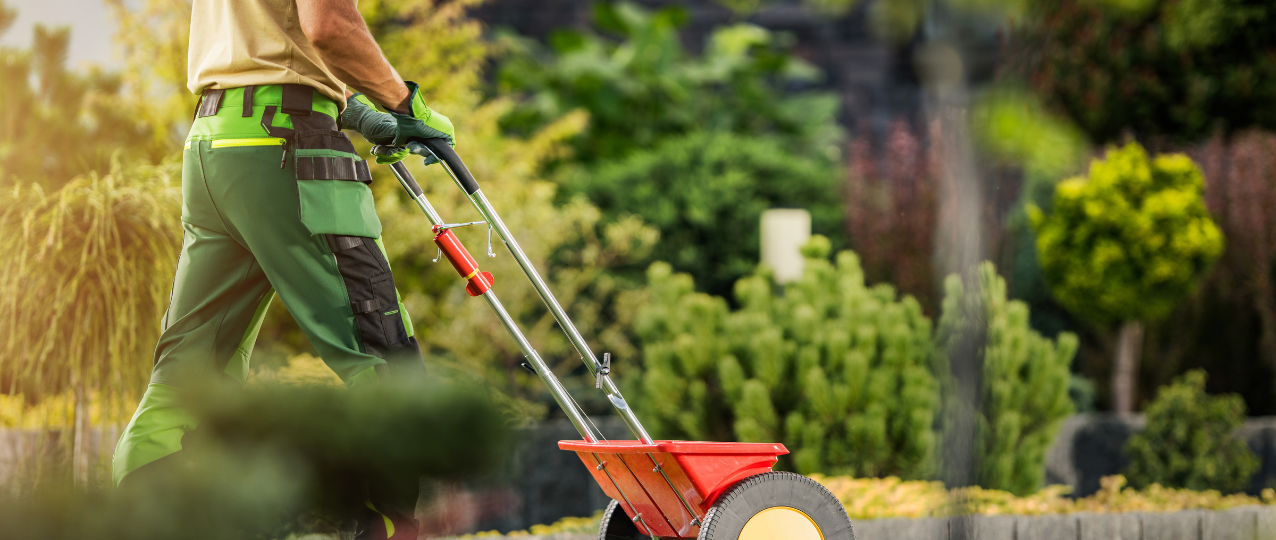
For most lawns in Kalamazoo and Portage, the first fertilizer application should occur when soil temperatures consistently reach approximately 50 to 55 degrees. This typically happens in April or early May, depending on weather conditions.
Applying fertilizer too early can encourage excessive top growth before roots have fully awakened. Waiting for the right conditions allows grass to absorb nutrients more effectively and establish stronger roots.
Signs Your Lawn Needs Overseeding
Overseeding is the process of spreading new grass seed into an existing lawn to improve density and fill in thin areas.
You may benefit from overseeding if your lawn has:
- Bare spots from winter damage
- Thin or sparse grass coverage
- Areas affected by pets
- Sections overtaken by weeds
- Heavy foot traffic damage
A thicker lawn not only looks better but also naturally helps crowd out weeds.
Choosing the Right Grass Seed for Michigan Lawns
Not all grass varieties perform equally in Michigan’s climate. Cool-season grasses tend to thrive throughout Southwest Michigan.
Popular options include:
Kentucky Bluegrass
Known for its rich color and ability to spread naturally.
Perennial Ryegrass
Fast germination and excellent durability.
Fine Fescue
Performs well in shaded areas and requires less maintenance.
Many homeowners achieve the best results with a blend designed specifically for Michigan growing conditions.
DIY Lawn Care vs. Professional Treatment Programs
While many homeowners enjoy tackling lawn projects themselves, achieving consistent results often requires careful timing, proper product selection, and knowledge of local soil conditions.
A professional lawn care program can help ensure your lawn receives the right nutrients at the right time while addressing common Southwest Michigan concerns such as crabgrass prevention, weed control, and seasonal stress.
Frequently Asked Questions
Is spring or fall better for overseeding in Michigan?
Fall is generally considered the ideal time for overseeding because cooler temperatures and reduced weed pressure create optimal growing conditions. However, spring overseeding can still be effective when combined with proper watering and lawn care practices.
Why does my lawn look patchy after winter?
Patchy lawns are often caused by snow mold, salt exposure, pet damage, compaction, or winter stress. Overseeding and fertilization can help restore lawn density.
How can I prevent crabgrass?
Applying a pre-emergent treatment early in the season is one of the most effective ways to prevent crabgrass before it begins to grow.
Ready for a Healthier Lawn This Spring?
Whether your lawn needs fertilization, overseeding, weed control, or a complete recovery plan, Cloverleaf Lawn & Landscapes can help homeowners throughout Kalamazoo, Portage, Mattawan, Texas Township, and Southwest Michigan create healthier, greener lawns all season long.
Contact us today to schedule a consultation and get your lawn growing in the right direction.